
VRF / VRV systems
VRF / VRV air conditioning systems in Chennai
One outdoor unit, many indoor units, each zone under its own control. VRF (variable refrigerant flow) systems suit offices, clinics, hotels and villas that need flexible, efficient multi-zone cooling without a central plant room.
- Individual zone control
- Part-load efficiency
- Phased installation possible

How it works
What makes a VRF system different
In a conventional split system, each indoor unit has its own outdoor unit. A VRF system connects many indoor units to one or more outdoor units through refrigerant piping, and varies the refrigerant flow to match what each zone needs at that moment.
VRV is a trade name used by one manufacturer for the same principle. Heat-pump VRF systems cool or heat all zones in the same mode; heat-recovery versions can serve both at once, though cooling-only operation is typical in Chennai.
- Inverter-driven compressors that follow part load
- Wall, cassette, ducted and floor-standing indoor units on one network
- Central and individual controls
- Less plant space than chilled-water systems
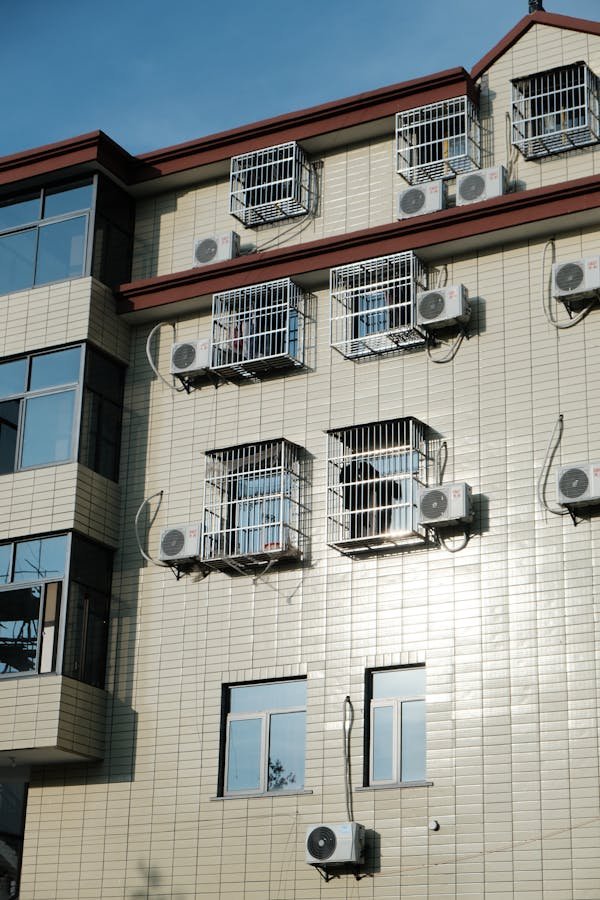
Where VRF fits
Buildings that suit VRF
Offices and IT floors
Different cabins, meeting rooms and open areas, each with its own control.
Learn more
Hotels and service apartments
Guest rooms with individual control and quiet indoor units.
Learn more
Clinics and diagnostic centres
Mixed-use floors with varied hours. Critical rooms may need separate systems.
Learn more
Schools and colleges
Classrooms and offices used at different times of day.
Learn more
Showrooms and retail
Multiple display zones from one compact outdoor installation.
Learn more
Villas and large homes
Many rooms on one or two outdoor units with concealed ducted indoor units.
Learn more
Design questions
What decides a good VRF design
VRF systems are flexible, but they are only as good as the design and installation behind them.
- 01
Is each zone sized correctly?
Indoor units should match room loads, not a single average figure for the whole floor.
- 02
Where will the outdoor units go?
Terrace or ground locations need airflow clearance, structural support, noise consideration and service access.
- 03
How long are the pipe runs?
Pipe lengths and height differences must stay within the manufacturer’s limits, with correct branch joints and insulation.
- 04
How is fresh air handled?
VRF indoor units recirculate air. Fresh air needs a separate plan, such as a treated fresh-air unit or energy recovery ventilator.
Our process
How we deliver a VRF project
- 01
Load and layout
Room-by-room heat loads, indoor unit selection and outdoor unit positions.
- 02
Piping and controls design
Refrigerant piping, branch kits, drains, wiring and control layout.
- 03
Installation
Brazing with nitrogen purge, pressure testing, vacuum and insulation to manufacturer standards.
- 04
Commissioning and handover
Refrigerant charge, addressing, test run, controls set-up and user training.
Before you enquire
Details for a VRF proposal
- Floor plansRoom layout with uses and approximate ceiling heights.
- Indoor unit preferenceWall, cassette, ducted or a mix.
- Outdoor spaceTerrace or ground area available and access for lifting.
- Hours of useWhich zones run late or at weekends.
- Fresh airAny existing fresh-air or exhaust arrangements.
- TimelineConstruction stage and target completion date.
FAQs
VRF / VRV questions
Still have a question? Contact us or call +91 94448 77783.
Is VRF better than ducted AC?
They solve different problems and are often combined. VRF is a way of distributing refrigerant to many zones; ducted indoor units are one type of indoor unit that can sit on a VRF system.
Is VRF energy efficient?
VRF systems perform well at part load because inverter compressors adjust output to demand. Real savings depend on correct sizing, installation quality, controls and maintenance.
Can a VRF system be expanded later?
Within limits. If future zones are known, the outdoor capacity and piping can be planned for them from the start.
What maintenance does VRF need?
Regular filter and coil cleaning, drain checks, outdoor unit cleaning, electrical checks and periodic review of operating data and error logs.
What happens if one indoor unit fails?
The rest of the system usually keeps running. The fault is isolated and repaired, which is one advantage of a multi-unit network.
Related
Related services and guides
True HVAC · Chennai
Ready to discuss your requirement?
Share the site, spaces, operating hours and any drawings. We will review the requirement and suggest the right next step.